Waterloo Lambeth rubbish recycling drop off options
Posted on 02/06/2026
Waterloo Lambeth rubbish recycling drop off options: a practical local guide
If you are trying to work out the best Waterloo Lambeth rubbish recycling drop off options, you are probably in one of two situations: you have a small pile of household waste that needs sorting properly, or you have a bigger clear-out and do not want to make a mess of the whole thing. Either way, the aim is the same - get rid of waste responsibly, without wasting time, money, or a Saturday afternoon. To be fair, that sounds simple until you are stood there with mixed rubbish, broken bits of furniture, and a bag of recyclables you are not quite sure about.
This guide breaks the topic down in plain English. You will learn how drop-off options work, when they make sense, what to watch out for, and when a collection service or a specialist option may be the easier route. We will also cover compliance, practical planning, and a few local realities that matter in Waterloo and the wider Lambeth area.
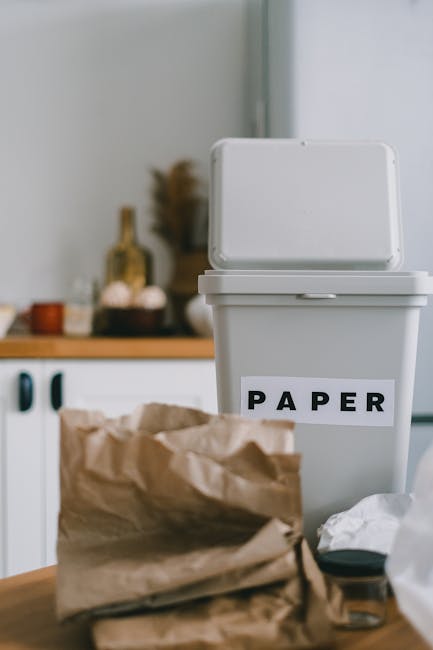
Why Waterloo Lambeth rubbish recycling drop off options Matters
Waterloo sits in a busy part of Lambeth where homes, flats, offices, shops, and venues all create different kinds of waste. That matters because rubbish is not just rubbish. A flattened cardboard box, a broken chair, a bag of food packaging, and a pile of old cables all need different handling. Drop-off options give you a way to separate useful materials from general waste and avoid turning everything into landfill-bound mixed rubbish.
For residents, it often comes down to convenience and control. Maybe you have a few items left over after a move. Maybe you are doing a cupboard clear-out and the recycling bin is already full. Or maybe you are in a flat and the storage space for waste is, let's face it, basically nonexistent. Drop-off options can be a sensible middle ground between doing everything yourself and arranging a full collection.
They also matter for local streets and shared buildings. In dense parts of Waterloo and Lambeth, bags left beside bins can quickly become an eyesore, attract vermin, and create friction with neighbours. A proper drop-off plan keeps waste moving, sorted, and contained. Small thing? Maybe. But on a rainy weekday evening, it makes a bigger difference than people expect.
There is another angle too: recycling habits. If you know which materials can be separated and where they go, you are far more likely to recycle properly instead of giving up halfway through. That is where good guidance helps. Our recycling and sustainability approach is built around practical, everyday waste handling rather than vague green slogans.
How Waterloo Lambeth rubbish recycling drop off options Works
At a practical level, drop-off waste handling works like this: you sort your items, pack them safely, travel to an appropriate disposal point or transfer route, and place materials into the correct stream. Some locations or services accept more than one type of material; others are stricter. The trick is knowing the difference before you set off.
In Waterloo and nearby Lambeth neighbourhoods, the main categories people usually deal with are:
- General household waste such as mixed non-recyclables.
- Dry recyclables like paper, cardboard, metal cans, and certain plastics.
- Bulky items including chairs, tables, mattresses, and shelving.
- Garden waste if you are clearing planters, cuttings, or soil-contaminated material.
- Builder's or DIY waste such as offcuts, tiles, plasterboard, and broken fixtures.
Some items are straightforward. Others are not. A paint tin with dried residue may be handled differently from a clean tin. A broken appliance may count as electrical waste, while a sofa may need separate bulky disposal. This is the point where a lot of people get stuck, because mixed loads look tidy but are not necessarily easy to process. That is normal. You are not alone there.
It can help to think in terms of streams rather than objects. Ask: is this recyclable, reusable, bulky, hazardous, green waste, or general rubbish? Once you sort that out, the rest becomes much clearer.
If your waste is more complex - for example, a room clearance, office declutter, or renovation debris - a dedicated service may be the better route. The page on services overview is a useful place to compare support options before you decide whether to self-drop or book help.
Key Benefits and Practical Advantages
Drop-off recycling and rubbish options are not glamorous. They are practical. That is the appeal.
Here are the main advantages people usually care about:
- Lower waste volume at home - particularly useful if you are short on bin space.
- Better sorting - you can separate materials properly instead of throwing everything in one bag.
- More control over timing - handy if you prefer to deal with waste on your own schedule.
- Potentially better environmental outcomes - because recyclable materials are less likely to be contaminated.
- Good fit for smaller loads - especially after a tidy-up, flat refresh, or minor declutter.
There is also a psychological benefit. Strange but true: once waste is organised into categories, a messy room feels half-cleared before anything has even left the property. That little bit of momentum helps, especially when you are facing a cupboard, loft, or bike shed that has slowly become a museum of forgotten things.
For households and landlords who want to keep things moving without a large one-off collection, drop-off options can sit neatly alongside other services such as waste removal in Lambeth or a more structured rubbish collection in Lambeth. The right choice depends on quantity, urgency, and what the waste actually is.
Who This Is For and When It Makes Sense
Not every waste problem needs a van. Sometimes drop-off is exactly the right answer, and sometimes it is not. Knowing which camp you are in saves a lot of hassle.
This approach makes sense for:
- Flat tenants with a small amount of recycling or bagged waste
- Homeowners clearing out a garage, under-stairs cupboard, or spare room
- Landlords between tenancies who need a quick tidy-up
- Small businesses that accumulate packaging, office paper, or old stock
- People doing a light garden tidy with manageable green waste
- Anyone sorting mixed materials before booking a larger service
It is usually less ideal if you have heavy, awkward, or high-volume items. Think several wardrobes, bathroom rip-out debris, or a full office move. In those cases, time spent loading, transporting, and unloading can outweigh any convenience. A few bags? Fine. A full van? Different story.
If you are dealing with property turnover, moving costs, or the practical side of local living, you may also find the neighbourhood context useful in posts like is Lambeth suitable for residents and exploring Lambeth's neighbourhood character. They are not waste guides as such, but they help frame how people actually live and clear space in this part of London.
Step-by-Step Guidance
Here is a straightforward way to handle Waterloo Lambeth rubbish recycling drop off options without making a right mess of it.
- Sort the waste first. Separate recyclables, general rubbish, bulky items, and anything that looks like electrical or DIY waste.
- Remove contamination. Rinse containers if needed, flatten cardboard, and take out loose food waste where possible.
- Check what you actually have. One bag of mixed household rubbish is very different from a bag of plaster, broken glass, or paint tins.
- Plan the trip. Make sure the items fit safely in your vehicle or carry load. Nobody enjoys discovering, at the kerb, that a shelf is too large for the boot.
- Protect yourself and the space. Wear gloves if needed, use sturdy bags, and keep sharp or dusty items wrapped.
- Drop materials in the correct place. Follow any instructions carefully and do not assume one container is fine for everything.
- Keep a quick note of what went where. Useful for landlords, businesses, or anyone managing repeated waste loads.
One small but important point: do not wait until the final minute. If you are juggling work, a school run, or a train into Waterloo, waste drop-offs become far less enjoyable when they are rushed. Give yourself a bit of breathing room. It sounds obvious, but people skip this all the time.
For more complex household jobs, a dedicated house clearance in Lambeth can be the cleaner solution when the pile is more than a few manageable loads.
Expert Tips for Better Results
Here are the tips that make a real difference in day-to-day waste handling. Nothing fancy. Just the sort of things that stop small issues from becoming annoying ones.
- Keep recyclables clean and dry where possible. Wet cardboard tends to ruin an otherwise tidy load.
- Use one container per waste type if you can. It saves time later.
- Break down bulky packaging before you travel. A few minutes with a knife and tape dispenser can save a car full of awkward angles.
- Label awkward items mentally or physically. "Wood", "metal", "small electricals" - simple words help under pressure.
- Mix less, sort more. A mixed load is often harder to process and less efficient.
- Keep an eye on prohibited items if you are unsure. Some materials need specialist handling.
If you handle waste regularly, such as in property management or small business operations, build a habit around it. A quick weekly sort is far easier than a giant end-of-month pile. In our experience, that one habit saves more time than people expect.
And here is a small local reality: Waterloo is busy. Parking, traffic, and loading can make a "quick" job take twice as long. So if you are going to do your own drop-off, pick a quieter moment and keep the route simple. Early morning can be kinder than late afternoon. Less noise too, which is always nice.
Common Mistakes to Avoid
Most waste problems come from a handful of avoidable mistakes. The good news? They are easy to fix once you know what to look for.
- Turning up with mixed waste and hoping for the best. That rarely ends well.
- Overfilling bags. Heavy bags split, and then you have a second problem on the pavement.
- Ignoring item categories. Electricals, garden waste, and builders' waste are not all treated the same.
- Not checking access or loading conditions. A van-friendly load is different from a hatchback load.
- Leaving waste outside "for later". On shared streets, that invites complaints fast.
- Assuming recycling means anything vaguely recyclable. Contamination matters more than people realise.
There is also the classic mistake of underestimating how long the process takes. People think, "I'll just nip out and do it quickly." Then the queue, sorting, and unloading happens. Suddenly it is noon. Funny how that works.
If you are dealing with DIY debris, take a more careful approach and look at the guidance on builders waste disposal in Lambeth. Construction-type materials bring extra rules and a bit more attention to detail.
Tools, Resources and Recommendations
You do not need a big toolkit to manage drop-off waste properly, but a few basics make the whole process smoother.
| Tool or resource | Why it helps | Best for |
|---|---|---|
| Strong refuse sacks | Reduce splits, leaks, and carrying problems | Household rubbish, lighter mixed waste |
| Marker or labels | Makes sorting quicker at the point of drop-off | Mixed household and business loads |
| Work gloves | Protect hands from sharp or dirty items | Bulky waste, DIY debris, garden waste |
| Boxes or crates | Better for reusable items, papers, and loose recyclables | Office clear-outs, paper recycling |
| Vehicle straps or blankets | Stops items sliding or damaging the car | Furniture, awkward loads, appliances |
For people who prefer not to self-transport waste, it is worth comparing the broader support options available through waste removal services in Lambeth. That route is often better when the load is bulky or when you simply want the job out of your hair.
Small household jobs can also be part of a bigger clear-out plan. If you are juggling rooms, storage, or an end-of-tenancy clean, services like office clearance in Lambeth and garden waste removal in Lambeth can sit alongside drop-off decisions, depending on the material.
Law, Compliance, Standards, or Best Practice
Waste handling is not just about convenience. In the UK, there is a general expectation that waste should be stored, transported, and passed on responsibly. You do not need to become a legal expert to manage a few bags from home, but you do need to avoid casual, risky habits.
Best practice usually means:
- Separating recyclable and non-recyclable material where possible
- Avoiding contamination of recyclables with food, liquids, or mixed rubbish
- Using a legitimate disposal route rather than leaving waste on public land
- Handling sharp, heavy, or hazardous items carefully
- Following any site or service instructions at the point of drop-off
For businesses, landlords, and tradespeople, the standards rise a little. Duty of care is a real consideration, even if the paperwork side is not the most exciting part of the day. In plain terms: you should know where your waste goes and make sure it is passed to an appropriate, responsible operator.
If you want more context around how responsible handling fits into the wider service model, the page on about us and the broader recycling and sustainability information can help set expectations. Also, always read the terms and conditions and insurance and safety details before booking a service. It is boring reading, yes, but useful boring reading.
Options, Methods, or Comparison Table
There is no single best choice for everyone. The right option depends on how much waste you have, what kind it is, and how much time you want to spend managing it yourself.
| Option | Best for | Pros | Trade-offs |
|---|---|---|---|
| Self drop-off | Small to moderate loads that are easy to sort | Flexible, hands-on, often efficient for simple waste | Travel time, lifting, parking, and sorting burden |
| Scheduled collection | Busy households or people with limited transport | Convenient, less physical effort, good for mixed loads | Needs booking and may cost more than a simple drop-off |
| Specialist clearance | Bulky, awkward, or high-volume waste | Fast, comprehensive, better for large jobs | Usually the least DIY-friendly route |
| One-off recycling sort | People clearing packaging, paper, and clean recyclables | Simple, tidy, easy to repeat | Not suitable for contaminated or mixed waste |
As a rule of thumb, if you can carry it in a couple of trips without strain, drop-off may work nicely. If it needs planning, lifting, or a lot of vehicle space, a collection route is usually calmer. No shame in that. Sometimes the sensible option is the one that gets the job done with the least faff.
Case Study or Real-World Example
Imagine a one-bedroom flat near Waterloo after a long-overdue reset. The resident has three bags of mixed household rubbish, a stack of flattened cardboard from a new desk, two broken dining chairs, and a box of old cables. None of it is enormous, but it is all awkward enough to make the hallway look worse than the actual volume suggests.
First, the cardboard gets separated and flattened. The cables are gathered into one box. The chairs are checked for any removable parts. The rubbish bags are tied securely and kept separate from the cleaner recyclables. Then the resident makes one short trip rather than four random ones. Simple, but it turns chaos into a manageable routine.
Now compare that with the same flat trying to squeeze in a bathroom rip-out, cracked tiles, and heavy broken fittings. Suddenly the whole idea of "just dropping it off" becomes more work than the waste is worth. In that scenario, a more structured service like house clearance cost guidance for larger clear-outs or a faster urban collection route such as fast collection options in Vauxhall SE11 may be the smarter move.
The real lesson is not that one option is superior. It is that the right option changes with the job. That is the bit people miss when they search in a hurry.
Practical Checklist
Use this before you head out or book anything. It keeps the process tidy.
- Have I separated recyclables from general rubbish?
- Do I know whether any items are bulky, electrical, garden, or DIY waste?
- Are bags sealed, safe to carry, and not overfilled?
- Have I removed obvious contamination like food, liquids, or mixed debris?
- Do I have the right vehicle space or carrying plan?
- Is the load small enough that drop-off makes sense?
- Would a collection or clearance service actually save me time?
- Have I checked the service terms and safety guidance if booking support?
- Have I planned a sensible time to avoid rush-hour stress?
- Do I have gloves, tape, boxes, or labels if needed?
Expert summary: The best Waterloo Lambeth rubbish recycling drop off options are usually the ones that match the waste type, travel reality, and amount of effort you are prepared to spend. If the load is small and sorted, drop-off is ideal. If it is bulky, mixed, or time-sensitive, a collection-based solution often makes more sense.
Conclusion
Waterloo and the wider Lambeth area are busy, compact, and full of people trying to make good use of limited space. That is exactly why getting your rubbish and recycling strategy right matters. The best Waterloo Lambeth rubbish recycling drop off options are the ones that fit the actual job in front of you - not the job you hoped it might be.
For light, sorted, manageable loads, drop-off can be quick and satisfying. For heavier, messier, or more complicated waste, a dedicated collection or clearance service will usually save you time, stress, and a sore back. There is no prize for making rubbish harder than it needs to be. None at all.
If you are weighing up next steps, compare the load, the time you have, and how much effort you want to spend on the day. That usually answers the question better than any guesswork does. And once you make a habit of sorting waste properly, the whole process becomes less of a chore and more of a routine part of keeping your space in order.
Get a free quote today and see how much you can save.
When you keep waste simple, the rest of the week tends to feel simpler too. Funny how that works.
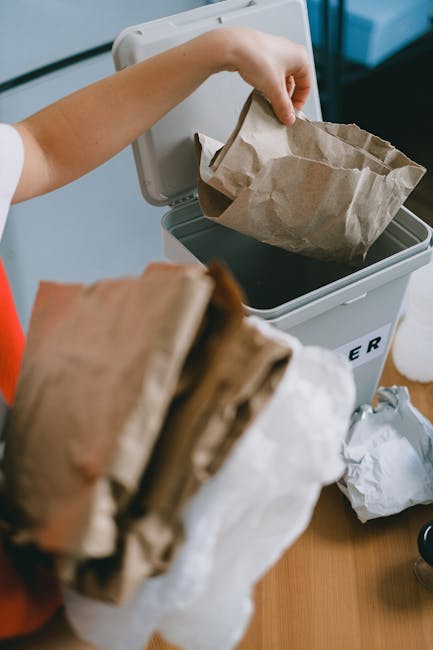
 Tipper Van - Rubbish Collection and Office Waste Removal Prices in Lambeth, SW9
 Luton Van -